Recent Blogs
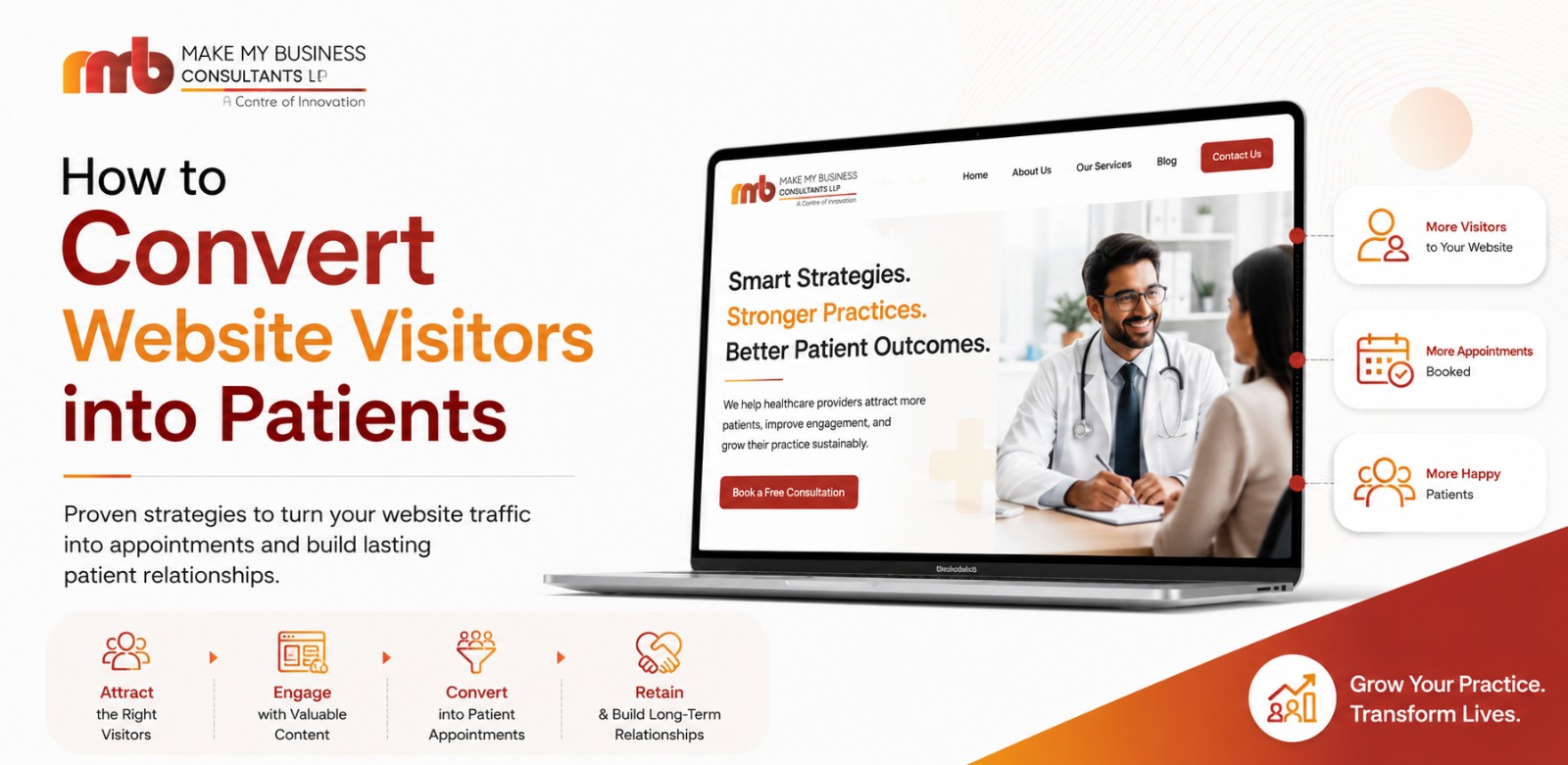
How to Convert Website Visitors into Patients
Nowadays, most patients first turn to Google when seeking accurate...
Read More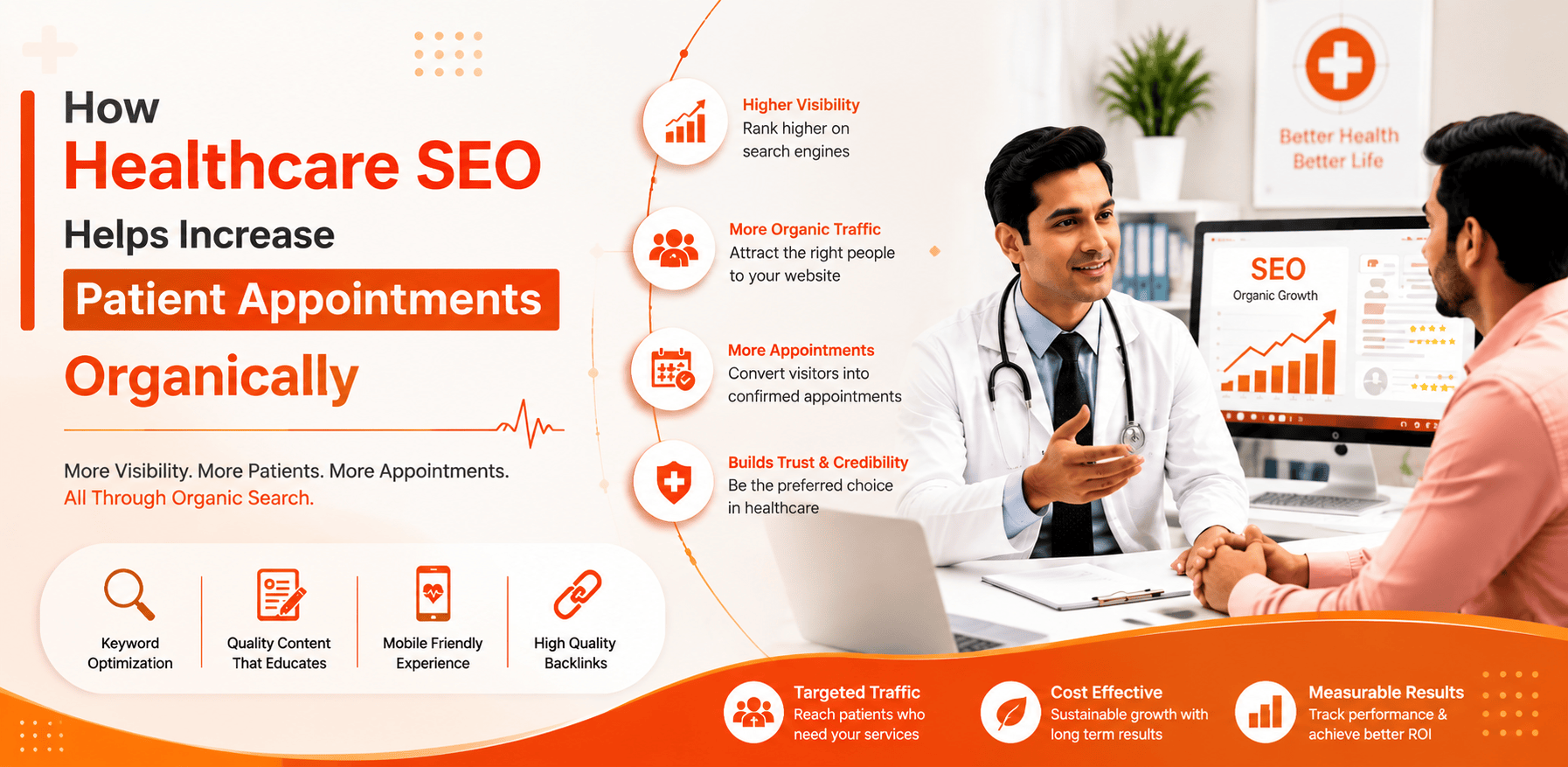
Understanding Why Website Visitors Don't Become Patients?
First and foremost, it is essential to understand that healthcare SEO...
Read More
Why Are There No Enquiries Despite Traffic to the Hospital Website?
In today's digital era, almost every hospital wants its website to appear at the top of Google search results
Read More

Opening Hours
Monday - Friday (8AM to 7 PM)
Sunday - Closed + 91 : 81279 05132
In today's digital age, almost every patient searches for
information on Google before looking for the best treatment or
doctor. Consequently, Google Ads can be a highly effective way
for hospitals and
healthcare brands
to reach new patients.
However, it is important to note that simply spending a budget
on Google Ads does not guarantee that a hospital will receive
quality patients or genuine inquiries.
Many hospitals see clicks on their paid campaigns, yet the
number of appointments, calls, and actual patients does not
increase as expected. There are several key reasons for this:
- Incorrect keywords
- Weak landing pages
- Broad targeting
- Poor ad copy
- Issues with conversion tracking
Why Do Google Ads for Hospitals Fail to Attract Quality Patients?
The objective of Google Ads should not merely be to increase website traffic. In healthcare marketing the true goal is to reach individuals who genuinely require a consultation, diagnostic test, surgery, or other healthcare services.
If a campaign focuses solely on clicks and impressions, the hospital's advertising budget may be spent on users who are merely seeking information and are not yet ready to undergo treatment.
Use of Incorrect Keywords
This is commonly one of the most frequent mistakes made in
healthcare PPC campaigns. For example, if a hospital runs a
campaign using a very broad keyword like "heart treatment," it
may attract clicks from users who simply want to read general
information.
Instead, it is far more beneficial to focus on high-intent
keywords such as "cardiologist appointment near me," "best
cardiologist consultation," or terms related to specific
treatments.
Over-reliance on Broad Match
While broad match keywords can expose a campaign to a wider
range of searches, in the healthcare sector, this can also
increase the likelihood of attracting irrelevant traffic.
Therefore, regular monitoring of search terms is essential.
Irrelevant searches can be excluded from the campaign by
utilizing negative keywords.
Healthcare PPC Mistakes That Seriously Damage Hospital Campaigns
Even a minor targeting error in healthcare PPC campaigns can impact the advertising budget. Before launching a campaign, hospitals must clearly define their target audience, location, services, and patient intent.
Mistakes in Location Targeting
If a hospital provides services only in Lucknow but the Google
Ads campaign targets the entire state of Uttar Pradesh or all
of India, the budget may be wasted on users who cannot
actually visit the hospital.
Therefore, the campaign should be targeted based on the
hospital's actual service area. Location-specific keywords
like "hospital in Lucknow" or "cardiologist in Lucknow" can
drive more relevant traffic.
Lack of Effective Ad Copy
Many healthcare advertisements are generic. Simply stating
"Best Hospital" or "Quality Treatment" does not help patients
understand how the hospital can address their specific health
issues.
Ad copy should include relevant specialties, treatments,
location details, and a clear call-to-action (CTA). For
instance, CTAs like "Book Cardiologist Consultation" or
"Schedule Diagnostic Test" can encourage users to take the
next step.
How to Improve Hospital Lead Generation?
Hospital lead generation goes beyond just running advertisements. In a successful campaign, the entire patient journey from the initial ad click to the actual appointment is crucial.
Create High-Intent Landing Pages
If a user clicks on a Google Ad and is directed to the
hospital's general homepage, which is often cluttered with
excessive information, conversion rates may drop.
Instead, dedicated landing pages should be created for each
major service. These pages should clearly display doctor
profiles, treatment details, hospital location,
patient-friendly information, and an appointment form or a
call option.
Prioritize the Mobile Experience
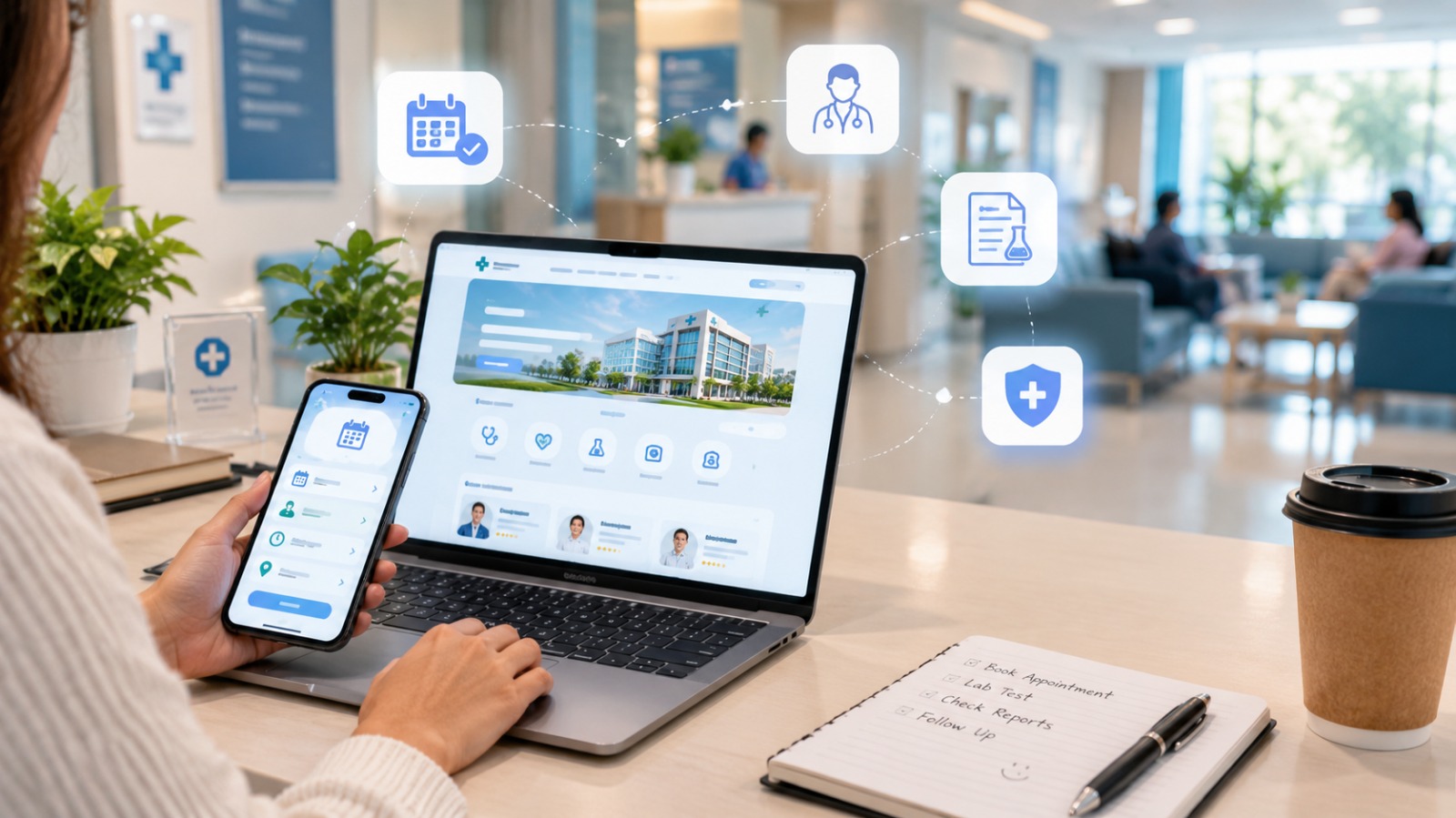
A significant portion of healthcare-related searches originate from mobile devices. Therefore, landing pages must be mobile-friendly, fast-loading, and easy to navigate. If patients struggle to find the appointment button or the page takes too long to load, they may leave without making an inquiry.

Why Is Conversion Tracking Important?
The success of a Google Ads campaign cannot be determined solely by looking at clicks. A hospital needs to know how many users made a phone call, filled out an appointment form, or inquired about a consultation.
Track Quality Leads, Not Just Leads
Generating 500 leads from a campaign does not necessarily mean
it is successful. If the majority of them are irrelevant, the
campaign's actual return may be low.
Instead, the hospital should focus on quality lead generation.
Analyzing metrics such as which keywords drive appointments,
which ads generate calls, and which campaigns convert into
actual patients is essential.
The Role of Data and Optimization in Healthcare Google Ads Strategy.
- Regular Review of Search Terms: Continuously monitor which keywords and search queries are driving patients to the website or generating calls, and filter out irrelevant searches.
- Keyword Performance Analysis: Focus more on high-performing keywords while optimizing or pausing those with low conversion rates.
- Keep an Eye on Conversion Rates: Do not measure success solely by clicks and impressions; track how many users actually book appointments, make inquiries, or call.
- Monitor Cost Per Lead: Compare the cost of leads generated from different campaigns and keywords to ensure the healthcare advertising budget is utilized efficiently.
- Refine Strategy Using Appointment Data: Continuously optimize campaigns by analyzing which ads and keywords are driving actual appointments or patient visits.
Optimizing the Advertising Budget with the Right Strategy
Competition in healthcare advertising has intensified
significantly; therefore, simply increasing the budget is not
enough. A combination of the right keywords, precise
targeting, compelling ad copy, optimized landing pages, and
accurate conversion tracking makes a campaign truly effective.
Google Ads can be a powerful medium for hospitals and
healthcare brands to generate quality patients and genuine
inquiries, provided that:
1. Prioritize Quality Patients Over Mere Clicks
The goal of Google Ads for hospitals should not merely be to increase website traffic or clicks. True success is measured by the generation of genuine inquiries, appointments, and actual patient visits.
2. Select the Right Keywords
Spending the budget on incorrect or overly broad keywords can lead to irrelevant traffic. It is crucial to use high-intent keywords that align with patient intent.
3. Avoid Healthcare PPC Mistakes
Errors such as broad targeting, weak ad copy, irrelevant search terms, poor landing pages, and a lack of conversion tracking can severely impact both campaign performance and the advertising budget.
4. Optimize Campaigns Based on Data
Regularly analyze data points, such as search terms, conversion rates, cost per lead, calls, and appointments to make necessary adjustments to the campaigns.
5. Focus on Long-Term Hospital Lead Generation
A robust Google Ads strategy should be grounded in patient intent, targeted advertising, and measurable conversions. This can significantly help the hospital generate better leads, secure more appointments, and achieve sustainable digital growth.
Digital Marketing for Hospitals in India
In today's digital era,
digital marketing
has become a crucial medium for hospitals and healthcare
institutions in India to reach patients. Patients now conduct
research on Google, social media, and other online platforms
before seeking information about a doctor, hospital, or
medical facility. Consequently, a strong digital presence
helps enhance a hospital's brand visibility and fosters
patient trust.
SEO is vital for hospitals. By using the right keywords,
hospitals can secure better positions for their websites in
Google Search results. Additionally, Google Ads allow
hospitals to reach patients who are actively searching for
specific treatments, doctors, or diagnostic services.
The Role of Healthcare Social Media Marketing and Hospital Websites
- Health Content on Social Media: Sharing health tips, disease prevention advice, treatment information, and healthcare awareness content on platforms like Facebook, Instagram, and YouTube helps maintain continuous engagement with patients.
- Highlighting Doctor Expertise: Showcasing doctors' expertise, experience, achievements, and patient-friendly advice on social media can strengthen the hospital's credibility and build patient trust.
- Information on Treatments and Facilities: Sharing details online about available treatments, diagnostic services, modern medical facilities, and specialist doctors helps prospective patients make informed decisions.
- Making the Hospital Website User-Friendly: Information such as doctor profiles, medical services, appointment booking options, hospital location, and contact details should be clearly accessible on the website, enabling patients to easily find the information they need.
- Better Leads through Digital Strategy: Effective use of strategies like SEO, social media marketing, and Google Ads can improve online visibility, patient engagement, and lead generation for the hospital.